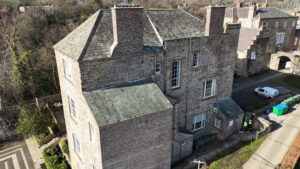
Historic buildings carry more than structure—they carry story, craftsmanship, and identity.
Whether it’s a listed property, a period home, or a heritage structure, restoration is not simply about repair. It’s about preserving character while ensuring the building remains safe, functional, and relevant for years to come.
If you’ve found yourself searching for historic building restoration near me, chances are you’re already aware that this is not a standard construction job.
It requires care, knowledge, and a deep respect for the materials and techniques originally used.
What Is Historic Building Restoration & Why Does It Matter?
Historic building restoration focuses on returning a structure to a sound and stable condition while preserving its original features.
Unlike modern renovation, the goal is not to replace—but to retain.
This includes:
- Original stonework
- Traditional mortar
- Architectural detailing
Restoration plays a key role in protecting cultural heritage, ensuring that buildings continue to reflect the period and craftsmanship they were built in.
How Is Restoration Different from Renovation or Repair?
This is one of the most important distinctions to understand.
While repair addresses specific damage, and renovation often updates a space, restoration takes a more careful and balanced approach.
Preservation over replacement
Materials are repaired or replicated as closely as possible rather than removed entirely.
Respecting original methods
Traditional techniques are often used to ensure the work aligns with the building’s character.
Maintaining historical integrity
The aim is to retain authenticity, not modernise unnecessarily.
When Should You Consider Historic Building Restoration?
Restoration is not always triggered by visible damage.
In many cases, it becomes necessary when:
- Stonework begins to deteriorate
- Mortar joints weaken or crumble
- Structural stability is affected
- Weather exposure causes gradual wear
Early intervention is often more effective than waiting for more extensive issues to develop.
What Does the Restoration Process Typically Involve?
Historic building restoration is rarely a single-step process.
It begins with careful assessment and continues through multiple stages of work.
Initial inspection and assessment
Understanding the condition of the building is essential before any work begins.
Material matching and preparation
Using compatible materials ensures that repairs integrate naturally with the original structure.
Skilled restoration work
This may include repointing, stone replacement, or structural reinforcement—carried out with precision and care.
Each stage is approached methodically to avoid unnecessary disruption to the building.
Why Is Traditional Craftsmanship Important in Restoration?
Modern methods do not always suit historic structures.
Many older buildings were constructed using techniques and materials that behave differently from contemporary alternatives.
Lime mortar vs modern cement
For example, lime mortar allows buildings to “breathe,” while modern cement can trap moisture and cause long-term damage.
Hand-finished stonework
Traditional masonry techniques ensure that new work blends seamlessly with existing features.
Long-term compatibility
Using the right methods helps prevent future deterioration rather than accelerating it.
How Do You Choose the Right Restoration Specialist Near You?
Not all contractors are equipped to handle historic buildings.
Choosing the right specialist is one of the most important decisions in the process.
Look for relevant experience
Experience in heritage or period properties is essential.
Understanding of traditional materials
A knowledgeable specialist will be familiar with lime mortars, natural stone, and traditional techniques.
Attention to detail
Restoration work requires precision, patience, and a respect for craftsmanship.
For those seeking experienced masonry and restoration services, you can explore more here.
Are There Regulations Around Restoring Historic Buildings in The UK?
Yes, particularly for listed buildings or properties within conservation areas.
Listed building consent
Certain works require approval to ensure that the building’s character is preserved.
Local authority guidance
Councils often provide specific recommendations or requirements for restoration work.
Working within regulations
A knowledgeable specialist can help navigate these requirements, ensuring compliance while maintaining project progress.
How Long Does Historic Building Restoration Take?
The timeline depends on the scope of work.
Smaller repairs may take days or weeks, while more extensive restoration projects can take several months.
Factors that influence timing
- Extent of damage
- Availability of materials
- Weather conditions
- Complexity of detailing
Unlike standard construction, restoration cannot be rushed without compromising quality.
What Are the Benefits of Proper Historic Restoration?
Restoration offers more than structural improvement.
It provides long-term value by:
- Preserving architectural character
- Improving durability
- Enhancing property value
- Maintaining historical significance
When done correctly, restoration ensures that a building continues to serve its purpose without losing its identity.
Frequently Asked Questions (FAQs)
What is the difference between restoration and renovation?
Restoration focuses on preserving original features, while renovation often updates or replaces them.
Do I need permission to restore a historic building?
Yes, listed buildings or properties in conservation areas may require approval from local authorities.
Can modern materials be used in historic restoration?
In some cases, but traditional materials are often preferred to maintain compatibility and prevent damage.
Conclusion
Historic building restoration is as much about understanding the past as it is about preparing for the future.
It requires careful planning, skilled craftsmanship, and a commitment to preserving what makes a building unique. From material selection to execution, every detail plays a role in maintaining both structure and story.
For those searching for historic building restoration near me, the focus should not just be on fixing what’s visible but on working with specialists who understand what lies beneath.