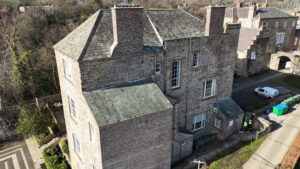
A building’s façade is more than just its outer face but a defining feature of its identity, heritage, and long-term structural health. Whether you own a period property, a commercial building, or a modern development, the façade speaks volumes: it’s the first thing visitors see, the protective layer shielding the structure, and a major contributor to the building’s overall value.
Over time, weather exposure, pollution, biological growth and general ageing take their toll. Dirt builds up, stonework dulls, mortar weakens, and intricate features lose definition. This is where façade cleaning and restoration becomes essential. It’s not just about making the building look better but about preserving its integrity for decades to come.
For those seeking expert craftsmanship, particularly in stone restoration, façade washing and heritage repair, specialists like Colin Stephenson Masonry provide highly skilled, conservation-led services across the UK.
Here’s everything property owners should know about why façade cleaning matters, what restoration involves, and how to choose the right team for the job.
Why Façades Become Dirty or Damaged Over Time
Every building façade battles the same elements – but at different intensities depending on location and material. Some of the main culprits include:
Pollution & Traffic Residue: Urban environments – especially busy roads coat façades with soot, grime and carbon deposits. This is particularly visible on light-coloured stone like limestone, Bath stone or Portland stone.
Weathering: Rain, frost, UV exposure and temperature fluctuations gradually break down masonry, causing cracks, fading and surface erosion.
Biological Growth: Algae, moss, lichen and mould thrive on damp surfaces. Left unchecked, they not only look unsightly but can damage porous stone.
Aging Mortar: Mortar joints degrade naturally over time, leading to water ingress, instability, and weakened structural integrity.
Previous Poor Repairs: Bad repointing, cement repairs or unsuitable cleaning methods can worsen long-term façade health.
Understanding these issues helps determine which cleaning or restoration techniques your building needs.
Benefits of Professional Façade Cleaning
Façade cleaning does far more than improve appearance. When carried out by experts, it offers several long-term benefits:
- Restores the Building’s Original Character: Stone and brickwork that once looked dull or stained can be brought back to life with the right cleaning method, preserving architectural detail.
- Prevents Deeper Structural Damage: Removing grime and biological growth stops moisture from trapping underneath, reducing long-term decay.
- Improves Property Value: Clean façades enhance kerb appeal, important for commercial properties, heritage buildings and residential homes.
- Encourages Better Longevity: Surface build-up accelerates deterioration. Cleaning helps masonry breathe again.
- Supports Conservation Efforts: For period and listed buildings, sympathetic cleaning helps maintain historical accuracy and protects original materials.
Popular Façade Cleaning Techniques (And When They’re Used)
Different materials require different methods. A reputable specialist will tailor the cleaning technique to the stone or brick type, age and condition.
- Softwashing
A gentle cleaning method ideal for removing biological growth on delicate stone. Best for listed buildings or older façades.
- DOFF Steam Cleaning
A leading conservation-approved method using superheated steam to remove moss, algae, paint residue and grime. Safe for heritage masonry.
- TORC System
A low-pressure swirling vortex of air, water and fine granules. Perfect for removing soot, carbon staining and older, ingrained dirt.
- Pressure Washing (Controlled Use Only)
Used cautiously on hard, durable surfaces – not on fragile stone.
-
Chemical Cleaning (When Appropriate)
Specialist-approved solutions help remove pollutants or biological staining where water alone is insufficient.
Professionals like Colin Stephenson Masonry are trained in these conservation-grade techniques, ensuring your façade is treated carefully and in line with best practice.
Why You Should Avoid DIY or Non-Specialist Cleaning
Façade cleaning looks simple on the surface — but the wrong technique can cause extensive damage. Common DIY mistakes include:
- Using high-pressure washers on fragile stone
- Choosing harsh chemicals that burn masonry
- Scrubbing with wire brushes
- Sealing stone with non-breathable products
- Removing historic patina accidentally
- Causing cracking through thermal shock
Once stone or brickwork is damaged, repairs become costly and complex. Always rely on professionals trained in conservation-led methods.
How to Choose the Right Façade Cleaning & Restoration Company
A trusted contractor should offer:
Experience with heritage and listed buildings as these require specialist knowledge and materials.
Proper assessment before work begins for detailed survey identifies damage, moisture problems and suitable cleaning methods.
Use of approved systems such as DOFF and TORC as they’re industry standard for safe stone cleaning.
Skilled, qualified stonemasons for restoration must be carried out by trained craftsmen.
Transparent pricing and timeframes, so no vague estimates or hidden extras.
Strong portfolio and references for proof of previous work is essential.
Companies such as Colin Stephenson Masonry specialise in façade cleaning, stone restoration and conservation-grade repairs, making them a trusted choice for buildings across the region:
Frequently Asked Questions (FAQs)
-
How often should a building façade be cleaned?
Most façades benefit from cleaning every 5–10 years, depending on pollution levels, stone type and exposure to weather.
-
Is façade cleaning safe for listed buildings?
Yes. When using conservation-approved methods such as DOFF or TORC. Specialist contractors ensure cleaning is gentle and preserves historic materials.
-
Does facade restoration increase property value?
Absolutely. Clean, well-maintained stonework improves kerb appeal, reduces long-term repair costs and adds to both structural and visual value.
Final Thoughts
Your building’s façade isn’t just a decorative feature – it’s a crucial part of its identity, structure and long-term wellbeing. Proper facade cleaning and restoration protect your investment, preserve heritage and enhance the building’s appearance for years to come.
With the right specialists handling the work, façade restoration becomes a safe and worthwhile upgrade that future-proofs your property.