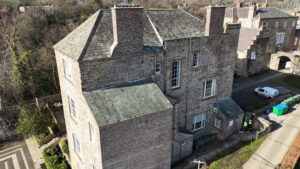
From the arches of ancient churches to the façades of Georgian townhouses, Britain’s architectural heritage is built on stone. Over centuries, these structures have withstood rain, frost, pollution, and time – yet they continue to stand as enduring symbols of craftsmanship and culture. The secret behind their survival? Skilled stone restoration services that protect, repair, and rejuvenate historic fabric without compromising authenticity.
Be it a listed property you own, manage a heritage site, or simply admire historic architecture, understanding how restoration works and why it matters is key to preserving the nation’s story.
Let’s get more into this!
Why Stone Restoration Is Essential for Heritage Buildings
Natural stone has remarkable resilience, but even the finest masonry deteriorates when exposed to decades of weathering, pollution, or biological growth. Cracks, staining, crumbling mortar, and water damage can slowly undermine both appearance and structure.
That’s why stone restoration services are far more than aesthetic touch-ups. They combine traditional craftsmanship with conservation science to ensure that a building’s historic value remains intact while extending its lifespan for future generations.
At Colin Stephenson Masonry, specialists in restoring historic buildings, each project begins with a careful balance of respect for the original design and the application of modern restoration techniques.
The Role of Stone Cleaning in Restoration
One of the most transformative parts of any historic building restoration is professional stone cleaning. Over decades, dirt, soot, algae, and biological growth can obscure the natural colour and detail of stonework. But cleaning isn’t simply about improving looks but about protecting the surface from decay.
Choosing the Right Stone Cleaning Service
Not all cleaning methods suit every stone. Limestone, sandstone, granite, and marble each react differently to moisture and chemicals. Using the wrong approach, like harsh jet washing can strip away protective layers or cause permanent surface damage.
Specialists use gentle, non-abrasive techniques such as:
- Low-pressure water cleaning to remove dirt without erosion
- Steam cleaning for biological growth
- Micro-abrasion or poultice methods for stubborn staining
The goal is to reveal the stone’s original character safely and responsibly. Reputable companies like Colin Stephenson Masonry tailor every stone cleaning service to the specific material and condition of each building.
Repairing Helps With What Time Has Worn Away
Cleaning brings back the beauty, but repair restores the strength. Over time, joints weaken, sections crumble, and cracks allow moisture to penetrate. Without proper intervention, minor issues can quickly turn into major structural concerns.
Masonry Repair Near Me: What It Involves
A trusted masonry repair service begins by assessing the type and extent of damage. Depending on findings, techniques may include:
- Repointing with lime mortar, allowing the stone to “breathe” and manage moisture naturally
- Replacing damaged stones with carefully matched materials
- Stitching or reinforcing cracks to restore integrity without visible alteration
Each intervention respects the building’s original craftsmanship, the aim is to strengthen, not replace, its story.
Also Read >> How to Choose the Right Specialist for Historic Building Repairs
Restoration Ensures Structure & Support Repairs
While older heritage buildings are predominantly stone, many later structures or extensions incorporate concrete. Over time, concrete elements can corrode or crack, threatening overall stability.
Here, structural concrete repair comes into play. Skilled restoration teams repair reinforcement, remove corrosion, and apply protective coatings that prevent future deterioration. The process restores strength while maintaining the seamless aesthetic of the surrounding stonework.
For complex or mixed-material buildings, Colin Stephenson Masonry’s expertise ensures that stone restoration services and structural concrete repair work in harmony, preserving the entire structure, not just its façade.
Historic Building Restoration to Balance Beauty & Authenticity
Historic building restoration requires a deep understanding of traditional construction techniques. Unlike modern repairs, heritage restoration aims to preserve, not modernise.
Each project must comply with conservation principles – maintaining original materials wherever possible, using reversible methods, and avoiding harsh interventions that alter the building’s historic character.
For example:
- Matching stone replacement involves sourcing stone with identical mineral composition, colour, and grain.
- Lime mortar repointing ensures moisture movement stays natural, unlike cement, which can trap damp and accelerate decay.
- Gentle restoration methods help protect architectural features such as carvings, cornices, or decorative pillars.
By blending technical skill with respect for heritage, experts like Colin Stephenson Masonry ensure that restoration enhances rather than erases the craftsmanship of the past.
Common Mistakes to Avoid When Restoring Stone Buildings
While heritage restoration demands skill, some well-intentioned repairs can do more harm than good. Property owners should avoid:
- Using cement-based mortar, which traps moisture and cracks surrounding stone
- Applying chemical cleaners without testing compatibility
- Ignoring small cracks or biological growths, which can worsen over time
- Hiring unqualified contractors unfamiliar with conservation-grade materials
A professional stonemasonry company will never use one-size-fits-all methods. Instead, they evaluate each surface, each joint, and each block of stone before deciding the best course of action.
That level of care defines Colin Stephenson Masonry – a trusted name in historic building restoration and masonry repair across the UK.
Related Reading: Common Problems in Historic Buildings & How We Fix Them
Frequently Asked Questions (FAQs)
- What do stone restoration services include?
They cover stone cleaning, masonry repair, repointing, and sometimes structural concrete repair to restore both strength and appearance. - How often should I clean or repair stonework?
Every 5–10 years for cleaning, or sooner if cracks or staining appear. Always consult a masonry repair specialist near you for early fixes. - Why use lime mortar in historic restoration?
Because lime mortar lets stone breathe naturally, preventing moisture buildup and cracks essential for restoring historic buildings safely.
Conclusion
Every historic building tells a story – one etched into its stone, weathered by time, and shaped by the hands that built it. But without proper care, that story risks fading away. Professional stone restoration services do more than repair damage; they revive craftsmanship, protect structural integrity, and celebrate the heritage embedded in every detail.
By choosing skilled restorers who respect traditional methods while using modern conservation techniques, property owners can ensure that the past continues to inspire the present. In preserving the beauty of old buildings, we’re not just maintaining stone – we’re protecting history itself.